
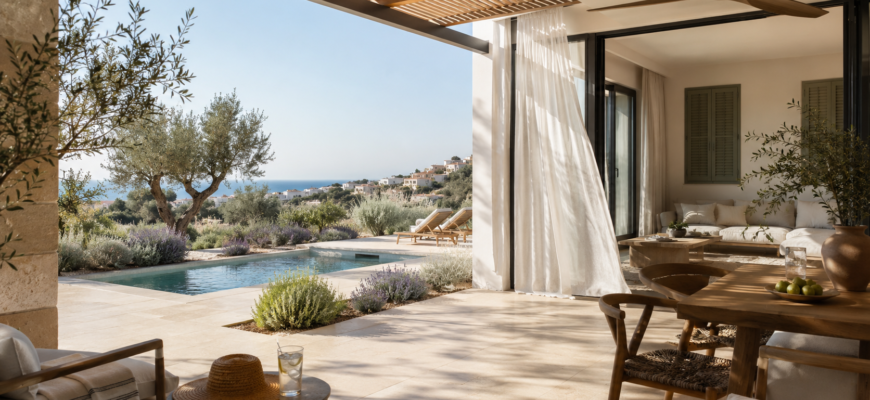
- Average Air Temperature & Summer Heat in Cyprus
- 2026 Estimated Average Summer Temperatures (°C)
- How Climate Change Is Affecting Summer Heat in Cyprus
- The Real Cost of Cool: Lifestyle and Financial Impacts for Residents
- Taming Your Electricity Bill: A Practical Budgeting Guide
- Workplace and School Adaptations: The New Summer Standard
- A Guide to Living in Cyprus During the Summer Heat
- Master the Daily Routine: Embracing the Split Schedule
- The Cypriot Anti-Heat Diet: Hydration and Nutrition Secrets
- Your Escape Plan: Coastal Breezes vs. Mountain Retreats
- The Climate-Proof Property Checklist for the 2026 Investor
- Must-Have Architectural Defenses: Blending Tradition with Tech
- Traditional Wisdom: Shutters, Verandas, and Strategic Shading
- Modern Tech Solutions: Thermal Insulation and High-Performance Glazing
- The Great Cooling Debate: A/C, Fans, or a Hybrid Approach?
- Air Conditioning in 2026: Inverter Tech and Energy Efficiency
- Smart Alternatives: Dehumidification and Ceiling Airflow
- The 2026 Investor’s Heat Map: Microclimates & Yield Premiums
- 2026 Regional Real Estate Yield & Premium Metrics
- Expert Verdict by Oliver Bennett: Is the Cyprus Dream Melting?
- The Biggest Misconception New Residents Have About the Heat
- My Personal, Non-Negotiable Strategies for a Comfortable Summer
- Your Questions Answered: Cyprus Summer FAQ
By Oliver Bennett.
When people ask me what to expect from the summer in Cyprus, I tell them to think in terms of brilliant, unrelenting sunshine and two distinct microclimate zones. For the 2026 calendar year, the classic island weather patterns hold firm: coastal regions benefit from maritime sea breezes that soften the edge of the heat, while the inland plains face a more intense, dry heat in Cyprus.
Understanding these geographic variations is critical for shaping your day-to-day lifestyle and securing a resilient property asset. Long-term climate normals documented by the Cyprus Department of Meteorology bear out what we residents know by heart: exactly where your property sits on the island dictates how you will navigate the summer months.
Average Air Temperature & Summer Heat in Cyprus
To give you a realistic baseline of the summer heat, let’s look at the localized temperature distributions across the peak months. Coastal districts like Limassol and Paphos maintain lower ambient peaks due to marine regulation, whereas inland Nicosia regularly registers higher thermal benchmarks.
2026 Estimated Average Summer Temperatures (°C)
| Location | June High / Low (°C) | July High / Low (°C) | August High / Low (°C) |
| Nicosia (Inland Basin) | 34 / 19 | 37 / 22 | 36 / 21 |
| Limassol (Southern Coast) | 31 / 20 | 33 / 23 | 33 / 22 |
| Paphos (Western Coast) | 30 / 19 | 32 / 22 | 32 / 21 |
| Troodos (Mountains, 1,200m+) | 26 / 15 | 28 / 17 | 27 / 16 |
For my relocation clients, this distribution serves as the primary filter for their initial property search. Aligning your personal heat tolerance with the correct regional microclimate is an essential first step before exploring individual real estate portfolios.
How Climate Change Is Affecting Summer Heat in Cyprus
The compounding effects of climate change are explicitly reshaping the Mediterranean summer. Over my 16 years of living in Cyprus, I have observed summers growing incrementally longer, with mid-summer heatwaves arriving with higher frequency and duration.
This shifting climate has directly altered the core dynamics of the real estate sector. The forecast for smart investors is clear: market demand has aggressively pivoted toward properties engineered defensively against the Cyprus heat. High-performance thermal insulation, low-emissivity double or triple glazing, and engineered exterior shading setups are no longer aesthetic premium upgrades—they are mandatory baseline features to protect capital values, secure high-yield tenants, and control building depreciation.
The Real Cost of Cool: Lifestyle and Financial Impacts for Residents
Taming Your Electricity Bill: A Practical Budgeting Guide
Managing climate control overheads is an essential skill for comfortable summer residency. Due to rising global oil costs impacting the Electricity Authority of Cyprus (EAC) fuel adjustment formulas, residential electricity pricing is under upward pressure.
- The Baseline: A standard 2-bedroom apartment utilizing modern inverter A/C units for moderate daily cooling can expect a bi-monthly electricity outlay ranging between 220€ and 320€ during peak summer.
- The EAC Peak Trap: The standard peak pricing period under residential time-of-use schedules operates from 09:00 to 23:00. Shifting intensive, high-draw appliance tasks (like laundry or pool filtration cycles) to the early morning or post-23:00 economy window can lower your consumption charges by 15% to 20%.
- Thermostat Calibration: Maintain your smart thermostats at a steady 26°C to 27°C alongside ceiling fans. This creates a highly comfortable ambient environment while preventing your A/C compressors from engaging in short, power-intensive cycling.
- Passive Nocturnal Cooling: For coastal properties, capitalize on the onshore evening drop after 21:00. Opening opposite windows to induce cross-ventilation can dramatically reduce the need for expensive overnight air conditioning.
Workplace and School Adaptations: The New Summer Standard
The entire island dynamically shifts its institutional rhythms to accommodate peak seasonal temperatures. Schools alter their schedules, starting classes at 07:30 and dismissing by 13:00 between June and August.
Corporate environments regularly adopt flexible, early-start modern workflows or integrate a structured mid-day break between 13:00 and 16:30 to protect personnel. Corporate dress codes relax significantly in favor of lightweight, natural linen fabrics. Public service points, municipal transit nodes, and major transit hubs systematically integrate high-capacity shaded waiting structures and chilled water stations to safeguard the community.
A Guide to Living in Cyprus During the Summer Heat
Successfully living in Cyprus through the summer is less about resisting the environment and more about intelligently adapting your lifestyle. The residents who thoroughly enjoy the season are those who map their active hours to the cooler margins of the day, utilize passive home defenses, and adjust their nutritional habits.
Air conditioning should serve as a controlled supplement to smart lifestyle engineering, rather than an expensive, 24/7 crutch. The traditional Mediterranean mid-day rest, for instance, is a highly practical strategy to conserve energy and maintain high productivity across the extended summer months.
Master the Daily Routine: Embracing the Split Schedule
The blueprint for an optimized summer day relies on a clean, split routine:
- The Active Window (06:30 – 11:00): Dedicate these prime hours to intense physical exercise, property viewings, grocery runs, and primary outdoor tasks.
- The Shielded Window (12:00 – 16:00): Reserve this peak thermal period for interior work, culinary rests, and recovery.
- The Social Window (18:00 onward): As the maritime breeze cools the coastal esplanades, local business, outdoor dining, and community networking re-emerge in full force.
The Cypriot Anti-Heat Diet: Hydration and Nutrition Secrets
Traditional island cuisine is inherently structured to fight thermal stress. Local tables lean heavily into high-hydration foods: crisp cucumbers, vine-ripened tomatoes, and local watermelon paired with mint and halloumi provide vital electrolytes and fluids. Long-term residents swap hot beverages for iced frappes or chilled local mountain herbal infusions. A baseline habit is to carry a insulated flask and consume a minimum of 2.5 to 3 liters of water daily to easily prevent dehydration.
Your Escape Plan: Coastal Breezes vs. Mountain Retreats
Your property choice gives you a built-in seasonal escape route. Coastal properties leverage steady onshore winds that effectively lower the “feels-like” temperature index by 3°C to 4°C. For total relief, weekend excursions to the Troodos mountain range offer an instant 10°C to 12°C drop alongside pristine pine canopy shade. It is a time-tested strategy for luxury property owners in Limassol or Larnaca to maintain a secondary traditional stone cottage or rent an apartment in mountain enclaves like Platres or Kakopetria for July and August.
The Climate-Proof Property Checklist for the 2026 Investor
Must-Have Architectural Defenses: Blending Tradition with Tech
Traditional Wisdom: Shutters, Verandas, and Strategic Shading
Classic Cypriot vernacular architecture is highly effective at passive cooling. Thick external walls and solid exterior wooden shutters represent your primary defense, stopping solar radiation completely before it transfers through window panes.
Deeply inset verandas create vital, shaded outdoor living envelopes while keeping the high summer sun from striking interior floors directly. Growing deciduous vines or bougainvillea along south-facing pergolas acts as a brilliant natural barrier, dropping facade temperatures significantly during summer while dropping leaves to let welcoming solar heat through in the winter.
Modern Tech Solutions: Thermal Insulation and High-Performance Glazing
Modern construction uses advanced building science to amplify these traditional setups. Reflective, high-albedo “cool roof” membranes can lower attic space accumulation temperatures by 5°C to 7°C.
Double or triple-glazed windows integrated with low-emissivity (low-E) thermal coatings are absolute game-changers, blocking up to 40% of external solar heat gain compared to legacy single-pane glass. When matched with a high-performance external thermal insulation compound system (ETICS) of at least 5–8 cm, overall household cooling demands drop by an extra 15% to 20%, generating substantial operational savings over the life of the asset.
The Great Cooling Debate: A/C, Fans, or a Hybrid Approach?
Air Conditioning in 2026: Inverter Tech and Energy Efficiency
Upgrading to modern inverter air conditioning units is a highly rewarding financial decision. Inverter setups draw 30% to 35% less power than older, fixed-speed, on/off units by dynamically scaling compressor speeds. The Cypriot government regularly rolls out green subsidization programs via the Ministry of Energy to offset the replacement costs of legacy machinery with A+++ rated components. For a typical coastal property, the efficiency gains can fully amortize the initial capital outlay within 3 to 4 summer cycles.
Smart Alternatives: Dehumidification and Ceiling Airflow
Air conditioning does not have to operate in isolation. In humid coastal regions like Larnaca or Limassol, running a dedicated dehumidifier can make an ambient temperature of 28°C feel as crisp and comfortable as a humid 25°C, while drawing a mere fraction of the electricity.
High-efficiency ceiling fans cost pennies to run and are highly effective at providing a wind-chill cooling effect when paired with cross-ventilation after sunset. For multi-story villas, installing a centralized whole-house extraction fan in the upper stairwell ceiling allows you to flush out accumulated daytime thermal loads and pull in cool night air in under 30 minutes.
The 2026 Investor’s Heat Map: Microclimates & Yield Premiums
Proximity to the open sea lowers peak daytime ambient marks but results in higher relative evening humidity during July and August. Altitude remains your best asset for natural cooling; locations elevated above 400–600 meters provide steady seasonal relief.
Conversely, dense concrete environments in Nicosia center or industrial pockets of Larnaca create localized “urban heat islands,” trapping ambient heat overnight. These microclimates directly shape summer rental yields and long-term tenant retention rates.
To see how these defensive features directly affect asset performance, consider how properties containing a swimming pool, optimized solar orientation, and cross-ventilation architecture capture clear premiums. These elements are vital for securing resilient, high-performance assets—a primary objective for any serious real estate investment in Cyprus. This premium carries over directly into the rental market, where securing top-tier properties for rent in Cyprus with these defensive specs remains a priority for high-budget corporate tenants.
2026 Regional Real Estate Yield & Premium Metrics
| District | Avg. Peak Summer Temp (°C) | Capital Value Premium for Heat-Ready Specs | Estimated Net Summer Rental Yield |
| Paphos | 32°C | +8% | 6.2% |
| Limassol | 33°C | +10% | 6.8% |
| Larnaca | 33°C | +9% | 6.5% |
| Nicosia | 37°C | +12% | 5.8% |
Properties featuring clean architectural cross-ventilation lines, deep west-facing verandas, and well-maintained private pools routinely command premium weekly short-term holiday rates and hold occupancy levels above 85% from June through September.
Expert Verdict by Oliver Bennett: Is the Cyprus Dream Melting?
“After 16 consecutive summers on the island, my daily routine has become second nature: I open the exterior shutters at 06:30 to let the crisp morning air flood the house, and lock them securely by 11:00 to keep the baking solar radiation out. The heat is a real, tangible element of island life, but it is entirely manageable once you learn to adapt your lifestyle around it rather than fighting it. My advice to investors is always to prioritize properties with excellent shading architecture and ventilation paths first; air conditioning then becomes a useful backup tool rather than a costly, non-stop necessity.”
The Biggest Misconception New Residents Have About the Heat
The most common mistake I see newcomers make is tracking only the peak daytime ambient temperature. They frequently underestimate the persistent nighttime humidity along the coast and the sheer duration of the warm season. The period of elevated temperatures isn’t just July and August; it stretches from mid-May to early October. Budgeting and planning for this entire five-month stretch is the secret to avoiding discomfort and surprise energy bills.
My Personal, Non-Negotiable Strategies for a Comfortable Summer
I keep a set of lightweight, white linen curtains for every south-facing room and swap them in May—it makes a huge difference. My car always has a reflective windshield screen tucked in the boot; it’s non-negotiable. On the hottest afternoons, I sometimes use the Paphos municipal pool at 7 a.m. when the water is still refreshingly cool. And my final tip: I stock the freezer with frozen grapes instead of ice cubes. They chill drinks perfectly without watering them down.
Your Questions Answered: Cyprus Summer FAQ
What are the hottest months to expect in 2026?
July and August consistently record the highest average air temperatures, with daily peaks oscillating between 33°C on the coast and 37°C or more inland.
Is it possible to live comfortably in Cyprus without air conditioning?
Yes, absolutely. Many long-term residents rely primarily on traditional methods like shutters, smart cross-ventilation, ceiling fans, and adapting our daily routine. This approach makes living in Cyprus more sustainable and enjoyable. Air conditioning becomes a tool for exceptional heatwaves, not a daily necessity. For more tips on this, my Cyprus Life & Real Estate Blog has several detailed guides.
How do public services and transportation function during a major heatwave?
Public services are well-prepared. Buses run on their normal schedule, often with extra water dispensers provided at major interchanges. Schools and many private offices adjust to shorter summer hours, while essential services like banks and government offices maintain standard times but ensure shaded queuing areas are available.
What are the key health risks associated with Cyprus summer heat?
The primary health risks are dehydration and heat exhaustion, both of which are easily preventable. The keys to staying safe are constant hydration (water, not just soda or coffee), avoiding strenuous activity in direct sun between 12:00 and 16:00, and wearing light, breathable clothing.