- Why Cyprus’s Cultural Vibrancy is a Key Factor in Your 2026 Relocation Plan
- A Year of Celebration: The Cyprus Festival Calendar for Future Residents
- Spring (March-May): A Rebirth of Tradition & Nature
- Summer (June-August): Coastal Life, Ancient Drama & Flood Festivals
- Autumn (September-November): Wine Harvests and Village Feasts
- Winter (December-February): Festive Traditions for Year-Round Living
- Beyond the Calendar: Weaving into the Fabric of Cypriot Life
- Strategic Investment: How the Cultural Landscape Shapes the 2026 Real Estate Market
- Property Hotspots for Culture Aficionados: Paphos vs. Limassol vs. Nicosia
- The ROI of Lifestyle: Connecting Cultural Events to Rental Yields and Property Value
- Your 2026 Action Plan: Aligning Your Property Search with Your Lifestyle Goals
- FAQ: Your Questions on Life & Investment in Cyprus Answered
As a long-term resident and property consultant in Cyprus, I’ve seen how the island’s rich cultural calendar isn’t just for tourists—it’s the heartbeat of the community. After more than 16 years on this island, I’ve learned that understanding the local events in Cyprus is the key to feeling at home. This guide is built from my firsthand experience to help you find your place here by 2026, not just a house.
Why Cyprus’s Cultural Vibrancy is a Key Factor in Your 2026 Relocation Plan
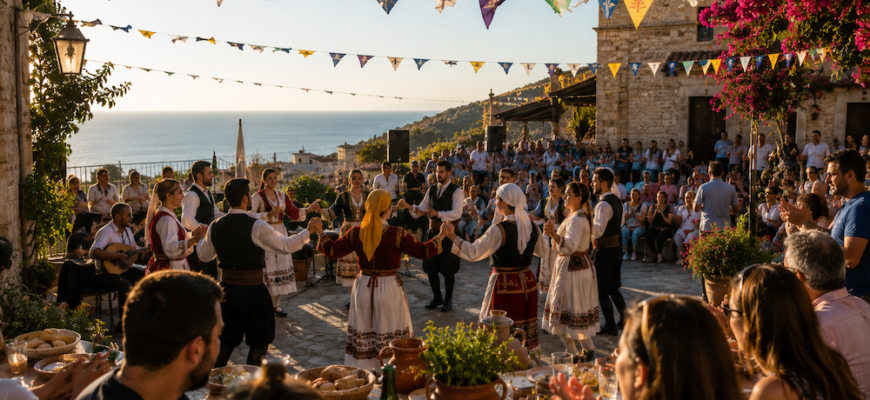
Festivals in Cyprus connect newcomers to local life faster than any other route. They turn strangers into neighbors through shared food, music, and rituals that repeat every year. Unlike other Mediterranean destinations that can feel desolate in the off-season, year-round events in Cyprus reduce the potential for isolation many expats experience. These gatherings offer a direct insight into the Cypriot mindset, particularly the approach to time known as “siga-siga” (slowly, slowly), and highlight the central role of family in daily decisions. From my experience, regular participation in this vibrant Cyprus culture significantly improves daily well-being for expats by providing consistent social anchors and fostering a clear sense of belonging.
“You don’t just move to Cyprus; you join a 10,000-year-old story. The festivals are your invitation to become a part of it.” — Oliver Bennett, Founder of Cyprus Sunset
A Year of Celebration: The Cyprus Festival Calendar for Future Residents
The calendar below breaks down major events by season so you can plan scouting visits or your final move around the dates that resonate most with you. Each period features distinct traditional Cyprus activities, with every celebration deeply tied to specific towns, villages, and the agricultural rhythms of the island. This isn’t just a list; it’s a map to the island’s soul.
Spring (March-May): A Rebirth of Tradition & Nature
Orthodox Easter stands as the island’s most significant religious and community event. The entire country shifts focus as families gather for the solemn Epitaphios processions on Good Friday, the jubilant midnight Anastasi service on Saturday, and immense Sunday lunches built around the smoky aroma of souvla roasting over charcoal. These days strengthen neighborhood bonds that last the entire year. Following this, Anthestiria, or the Flower Festival, brings vibrant parades through Limassol and Paphos streets, with schools and local clubs decorating elaborate floats to showcase immense local pride. Green Monday officially opens Lent with families heading to the countryside for picnics of haloumi, olives, and fresh vegetables, while the sky fills with kites—a visual spectacle marking the start of the fast.
Summer (June-August): Coastal Life, Ancient Drama & Flood Festivals
Kataklysmos, the Festival of the Flood, fills all coastal towns with energy. The celebration includes water games, sprawling seaside markets, and live music that runs from morning until late into the night. This unique festival is tied to Pentecost and traces its roots back to both biblical and ancient myths about survival by the sea. For a different cultural flavor, the International Festival of Ancient Greek Drama stages timeless plays at the Kourion amphitheater and the Paphos Odeon. Watching a tragedy unfold under the stars in a 2,000-year-old venue is an unforgettable experience. Beyond the main stages, smaller village events, such as the Pissouri Festival, add local food stalls and live bands without the large crowds, offering a more intimate celebration.
Autumn (September-November): Wine Harvests and Village Feasts
The Limassol Wine Festival is the centerpiece of autumn, offering free wine tastings, traditional grape-stomping demonstrations, and nightly folk dances over two weeks in September. This major festival is a must-see for anyone considering the city. To experience a more traditional Cyprus, venture into the mountains where village harvest events extend the season. The Zivania festival in Alona and the Palouze festival in the Krasochoria (wine villages) focus on local spirits and sweet grape-must desserts made from the current crop. These smaller gatherings allow you to taste produce straight from the fields, meet the producers, and understand the island’s deep agricultural heritage. For official dates, always check the Cyprus Tourism Organisation website.
Winter (December-February): Festive Traditions for Year-Round Living
Christmas in Cyprus feels both festive and deeply traditional. Brightly lit “Christmas Villages” appear in town squares, and families bake vasilopita cakes, a special New Year’s treat that hides a lucky coin for one fortunate family member. In the days leading up to New Year, children sing Kalanda (carols) door to door. The season culminates with Epiphany (Theophania), which brings the “blessing of the waters.” In coastal towns, a priest tosses a cross into the sea, and young men dive into the chilly water to retrieve it, a dramatic and deeply symbolic ritual.
| Feature | UK/US Christmas | Cypriot Christmas |
| Main Meal | Turkey or Ham | Souvla (Roast Lamb/Pork) or Pork Dishes |
| Santa Figure | Santa Claus | Ayios Vasilis (Saint Basil) |
| Key Dates | Dec 24th/25th | Dec 25th, Jan 1st (St. Basil’s Day), Jan 6th (Epiphany) |
| Unique Tradition | Christmas Crackers, Eggnog | Vasilopita (New Year’s Coin Cake), Kalanda (Carols) |
Table 1: A Comparison of Anglosphere and Cypriot Christmas Traditions.
Beyond the Calendar: Weaving into the Fabric of Cypriot Life
Understanding the events is one thing; understanding the mindset behind them is another. The philosophy of “siga-siga” shapes conversations, business meetings, and even festival timing. People expect events to unfold at their own pace rather than on a strict clock, a lesson in patience for many newcomers. Family gatherings remain the core of every celebration, with three generations often seated at the same table sharing stories. Filoxenia (hospitality) appears as genuine offers of coffee or food to guests, including newcomers at the local kafeneia (coffee shops), which serve as the social and business hubs of the community. Finally, almost every event centers on meze plates shared slowly over hours; here, the fresh ingredients and the conversation matter equally, embodying the island’s food culture. You can discover more of these cultural nuances in our articles on the Cyprus Life & Real Estate Blog.
Strategic Investment: How the Cultural Landscape Shapes the 2026 Real Estate Market
From my professional standpoint, properties located near main festival routes see measurable differences in demand. Our Q4 2023 analysis shows a rental premium of up to 15% for properties within a 10-minute walk of Paphos’s main festival promenade during summer. Areas that host repeated public events maintain stronger rental interest across the calendar year because both residents and visitors prioritize easy access to these cultural touchstones when looking for a home.
Property Hotspots for Culture Aficionados: Paphos vs. Limassol vs. Nicosia
Choosing a city is about matching its cultural rhythm to your own. Paphos, the European Capital of Culture in 2017, suits buyers who value ancient sites and a slower pace built around theatre performances and harbor events. Limassol, the cosmopolitan business hub, draws those who prefer large-scale celebrations like the Wine Festival and Kataklysmos, combined with a fast-paced environment and higher rental turnover. Nicosia, the capital, offers lower property prices and deeper access to local traditions, with fewer tourist layers for those seeking full immersion.
| City | Cultural Vibe | Key Festivals | Avg. 2-Bed Apt Price (2024 est.) | Lifestyle Pace | Expat Community Density |
| Paphos | Historic & Relaxed | Ancient Drama, Aphrodite Festival | €220,000 | Slow (Siga-Siga) | Very High |
| Limassol | Modern & Energetic | Wine Festival, Kataklysmos, Carnival | €350,000 | Fast-Paced | High |
| Nicosia | Authentic & Governmental | Nicosia Pop Up, Aglandjia Festival | €190,000 | Moderate | Medium |
The ROI of Lifestyle: Connecting Cultural Events to Rental Yields and Property Value
Smart investors look beyond the balance sheet. Short-term lets within walking distance of the Limassol Wine Festival grounds or Paphos harbor can command significantly higher nightly rates during event weeks. More importantly, neighborhoods with consistent public programming and a strong cultural identity, like Paphos Old Town, tend to show steadier long-term price growth because the lifestyle itself becomes a valuable, sought-after asset. This is what I call the “Lifestyle Premium”—the idea that a property’s true value isn’t just its square meters, but its proximity to a desirable, culturally rich life that future buyers will also want to invest in. This strategy is key for anyone looking to invest in Cyprus real estate with a long-term vision.
Your 2026 Action Plan: Aligning Your Property Search with Your Lifestyle Goals
- Define Your Cultural Profile: Before you even look at listings, decide what matters most. Are you a history buff drawn to Paphos, a wine lover suited for the Limassol region, or someone seeking authentic village life in the Troodos foothills?
- Visit During Your “Key” Season: The best way to understand a place is to see it in its prime. Time a scouting trip to coincide with a key festival that appeals to you to feel the community’s energy firsthand.
- Engage with a Specialist: Don’t go it alone. Work with a consultant who understands both the market data and the cultural calendar. My role, and that of my partners at DOM Real Estate, is to ensure the location you choose matches your daily life as perfectly as it matches your investment goals.
FAQ: Your Questions on Life & Investment in Cyprus Answered
Is it easy to integrate into the Cypriot community as an expat?
Yes, if you make an effort. Regular attendance at village or town festivals provides the fastest path. My advice is to always accept an invitation for coffee. Shared tables and repeated seasonal events create natural conversations that lead to lasting connections far more effectively than anything else.
What is the cost of living in Cyprus compared to the UK/USA?
Monthly costs for a couple in a mid-sized town like Paphos or Larnaca can run 20-30% lower than in equivalent UK cities, especially if housing is owned outright. Fresh produce from local markets, affordable public transport, and the low cost of simple pleasures like a coffee by the sea help keep daily expenses moderate.
Do I need to speak Greek to enjoy these cultural events?
English is widely spoken and works perfectly well at major festivals in Limassol and Paphos. In smaller village events, you’ll find less English, but a few basic greetings in Greek (like “Yia Sas” for hello) will be met with warm smiles. Participation itself and showing respect for the traditions matter far more than fluency.
Are property prices expected to rise or fall by 2026?
Based on market data from the past three years and ongoing infrastructure projects, we expect continued modest growth, particularly in established cultural districts. Demand from expats seeking a better quality of life and limited new supply in historic areas create a stable foundation for property values.
What are the legal steps for a foreigner to buy property in Cyprus?
The process is straightforward and transparent for foreign buyers. You follow the same contract and title deed process as locals. For non-EU citizens, an additional permit from the Council of Ministers is required, which is typically a formality. The most critical step is engaging a reputable, independent lawyer to handle all due diligence, ensuring your investment is secure from start to finish. You can explore a variety of vetted properties on the Cyprus real estate for sale portal.