I moved to Cyprus in 2010 expecting warm weather and stunning sea views. What I did not anticipate were the daily customs that quietly reshape how you experience life here. After sixteen years on the island, my experience shows these small but significant rituals are what still stand out most to newcomers, shifting their perspective from that of a tourist to a true resident. These traditions define the unique rhythm of the island.
Greeting customs that set the tone
The first surprise often hits right at the airport or in a village square. Cypriots rarely shake hands with strangers in a social context. Instead, they lean in for a light kiss on each cheek, even upon a first meeting. This warm habit stems from the island’s Greek Orthodox roots mixed with a long history of Venetian and Ottoman influence. Visitors who stand back with an extended hand sometimes receive a puzzled look, but it’s never unfriendly. Once you return the gesture, you’ll find that conversations open up much faster, and a feeling of genuine welcome is established. This simple act is a cornerstone of Cypriot culture.
Coffee that doubles as a social contract
Cypriots do not just drink coffee to wake up; they drink it to connect and talk. A proper Cypriot coffee arrives in a small demitasse with the grounds still settling at the bottom, served from a traditional copper pot called a briki. Ordering one implies you are expected to stay for at least fifteen to thirty minutes. The local wisdom is simple: if the cup empties too quickly, the visit was too short. Cyprus is a place where a quick chat is a rare event. This unhurried rhythm can clash with rushed expat schedules at first, yet it later becomes one of the main reasons people say living in Cyprus feels slower in the best possible way.
The afternoon pause that still defines the day
Many first-time visitors try booking appointments or deliveries between 2 pm and 5 pm and then wonder why the island seems to shut down. The traditional siesta, or “mesimeri,” is less strict than it once was in large city centres, yet many shops outside main tourist zones still close. More importantly, this is when families gather to eat their main meal of the day together. In smaller towns and villages, the custom remains firm. My advice is to plan around it, as this not only saves frustration but also shows respect for the local pace of life. It’s a crucial detail to remember, especially when arranging viewings if you plan to rent property in Cyprus for the long term.
Food that appears without asking
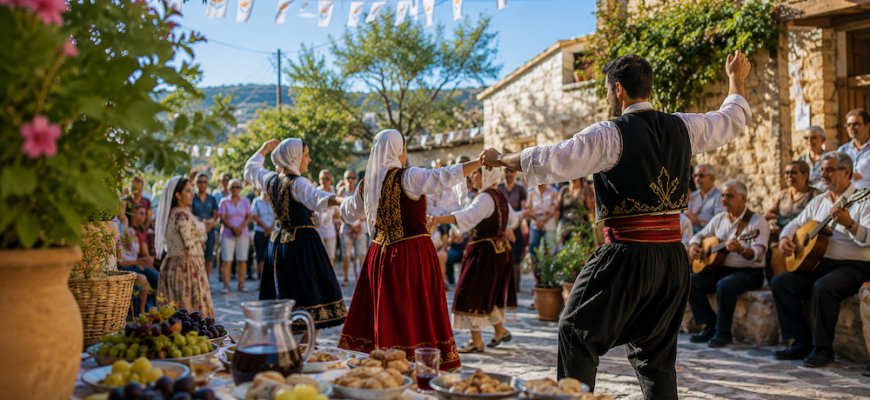
When you sit at a Cypriot table, especially in a traditional taverna or a local’s home, meze arrives in continuous waves. Each small plate carries its own story: salty halloumi from a village dairy, crusty bread baked that morning, or wild greens foraged after winter rains. Politely refusing a second helping is often interpreted as shyness, so hosts will gently insist you eat more. This custom of overwhelming hospitality stems from the island’s history of shared hardship; an abundance of food on the table signals a heartfelt welcome. Newcomers quickly learn that finishing everything on your plate is a clear signal that the meal can, and should, continue.
Name-day celebrations over birthdays
While birthdays receive modest attention, it’s the name days, tied to the Orthodox Christian calendar, that truly matter in Cyprus culture. If your name matches a celebrated saint’s feast day, your phone will ring from dawn until dusk. Colleagues might bring pastries to the office, and neighbours could drop by unannounced with small gifts or sweets. This focus on name days often surprises Northern Europeans and others who grew up celebrating only birthdays. It’s a wonderful tradition that creates natural community touchpoints and reinforces social bonds throughout the year.
Festivals that blend faith and village life
When you travel Cyprus, you’ll see that festivals are woven into the fabric of society, and none is more important than Easter. Here, the holiday stretches across four major days rather than a single Sunday. The solemn Good Friday procession (Epitaphios), the explosive midnight Resurrection service, and the communal Sunday lamb feast on the spit (souvla) form one continuous, deeply felt event. It’s common for foreign residents to receive last-minute invitations from neighbours they barely know. These gatherings serve as quiet entry points into local networks, proving especially useful for families who plan on living in Cyprus long-term.
Family hierarchy that still shapes major decisions
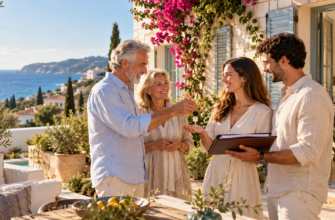
Adult children frequently and openly consult their parents before making significant life choices, such as buying property or changing jobs. This pattern might feel old-fashioned to some visitors, yet it explains why many Cypriot families pool their resources to buy property in Cyprus, often seeking homes near one another. Understanding this deep-rooted family dynamic is immensely helpful when navigating the property market, as it influences everything from location choices to financial arrangements. It highlights a culture where community and family support are paramount.
If you decide to make this island your home, these Cyprus traditions evolve from charming quirks into daily advantages. They are not obstacles but rather the very texture of life that creates a strong sense of belonging and keeps residents here long after the initial novelty of the Mediterranean sun has worn off.
I’m Oliver Bennett, and I’ve been living and working in Cyprus since making the move from Europe in 2010. These stories come from my own journey of becoming a local. On my blog, I share more real-life insights into what it’s really like to build a life here. You can find more practical guides and personal stories on the Cyprus Life & Real Estate Blog.