
- Why a Cyprus Road Trip in 2026 is The Ultimate Scouting Mission
- Your Interactive Scouting Route: The 7-Day Investment Loop
- Mission Prep: Planning Your 2026 Cyprus Scouting Trip
- Strategic Timing & Accommodation: Best Season and “Home Base”
- Comparing Car Rentals in Cyprus for Your 2026 Road Trip
- Essential Guide to Driving in Cyprus: Rules You Must Know for 2026
- The Perfect 7-Day Cyprus Road Trip Itinerary: An Investor’s POV
- Day 1-2: Paphos & The West Coast – Expat Hub & Lifestyle Capital
- Day 3-4: The Troodos Mountains – Authentic Lifestyle & Agrotourism Potential
- Day 5-6: Limassol & Nicosia – Business, Capital, and Division
- Day 7: Larnaca & East Coast – Infrastructure Hub & Departure
- Post-Trip Debrief: Real Estate & Residency Analysis
- Comparative Analysis: Paphos vs. Limassol vs. Mountain Villages
- Next Steps: From Scouting Trip to Residency or Investment
- Cyprus Driving FAQ: Your Road Trip Questions Answered
My name is Oliver Bennett. I moved to Cyprus “for a month” back in 2010 and, 16 years later, I’m still happily on that ‘month.’ As the founder of the Cyprus Sunset blog, I’ve spent over a decade helping hundreds of families and investors move beyond the glossy brochures to see how daily life, infrastructure, and real estate actually feel on the ground. This 7-day route is the exact loop I recommend for this essential “scouting mission,” a journey designed to test the island before you commit to a property purchase or a new life here.
Why a Cyprus Road Trip in 2026 is The Ultimate Scouting Mission
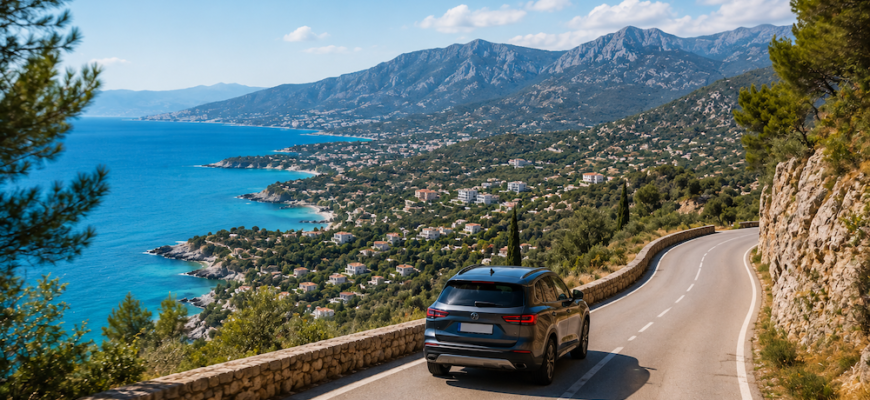
Let’s be clear, this is not a standard travel itinerary. It is a practical, strategic blueprint for your future. A Cyprus road trip in 2026 is the single best form of due diligence because it allows you to directly experience the island’s rhythm. To truly travel Cyprus with an investor’s mindset, you must drive its roads. This journey lets you compare the dynamic business hubs with the quiet expat communities, see the mountain villages firsthand, and assess the infrastructure that will shape your daily life. You’ll observe traffic patterns, school run congestion, beach crowds in different seasons, and property density—the crucial details that determine whether a purchase or relocation will be a long-term success. The reality is that Cyprus is more than just beautiful scenery; it is a living, breathing place where you might work, invest, or build a future. This is your test drive.
Your Interactive Scouting Route: The 7-Day Investment Loop
This route forms a logical loop: Larnaca → Limassol → Paphos → Akamas → Troodos → Nicosia → Larnaca. Each stop is deliberately chosen to highlight a different market segment, investment potential, or lifestyle option. The map below isn’t just about tourist Cyprus sights; it’s a strategic overlay of points of interest for any prospective resident or investor, from high-yield rental zones to quiet residential enclaves.
Mission Prep: Planning Your 2026 Cyprus Scouting Trip
Strategic Timing & Accommodation: Best Season and “Home Base”
The shoulder seasons (April–May and September–October) provide comfortable driving weather and offer a more realistic view of local life, free from the peak summer tourist surges. I always advise clients to treat accommodation as part of the research. Test different types on the same trip: spend a night in a high-rise hotel near Limassol’s marina, book two nights in a Paphos villa, and experience one night in a traditional Troodos agrotourism cottage. You will quickly develop a gut feeling for which setting genuinely aligns with your future lifestyle or investment goals.
“Don’t just book hotels. Book experiences. Staying in an agrotourism cottage isn’t just charming; it’s a direct insight into the rental potential and lifestyle appeal of the Troodos region.”
– Oliver Bennett, Founder of Cyprus Sunset
Comparing Car Rentals in Cyprus for Your 2026 Road Trip
Choosing your vehicle is a strategic decision. A compact car is perfectly adequate for the main motorways. However, if your plan includes inspecting land plots or exploring rural mountain routes, booking a 4×4 is non-negotiable, as many promising locations are reached via unpaved tracks. Always compare pricing between the major international companies and established local firms, and pay extremely close attention to the insurance clauses regarding Northern Cyprus crossings before you book.
Table 1: Strategic Vehicle Choice for a Cyprus Scouting Trip
| Vehicle Type | Pros | Cons | Best For | Est. €/day | Insurance Note |
| Compact | Inexpensive, easy city parking | Limited on rough terrain | City-to-city scouting | 35–45 | Standard cover |
| SUV | Versatile, good balance | Higher fuel consumption | Mixed coastal and inland use | 55–70 | Check off-road clauses |
| 4×4 | Access to rural land plots | Higher cost and fuel use | Land scouting, Akamas | 75–95 | Confirm Northern Cyprus policy |
A quick note on international vs. local providers: local firms often provide better, more specific advice on mountain roads and can have slightly lower rates. International brands typically offer a smoother, more streamlined airport handover process.
Essential Guide to Driving in Cyprus: Rules You Must Know for 2026
Navigating the island by car is the absolute best way to explore, but you must be prepared. The most critical rule for driving in Cyprus is to drive on the left side of the road. While road signs are generally in both Greek and English, understanding local driving etiquette is key to a safe and stress-free trip. The main Cyprus road network connecting the major cities is of excellent EU standard, but mountain roads require more caution.
- Drive on the LEFT side of the road. This is a non-negotiable rule inherited from British administration.
- Roundabouts: Give way to traffic already circulating within the roundabout.
- Speed Limits: These are strictly enforced by mobile and fixed cameras. Typically 50 km/h in towns, 80 km/h on main roads, and 100 km/h on motorways. Always watch for the signs.
- Parking: Pay close attention to the line colors. Double yellow lines signify no parking at any time. Single yellow lines indicate restrictions.
- Blood Alcohol Limit: The limit is very strict and low (0.22 mg/ml). The rule is simple: do not drink and drive.
- Documentation: Always keep your driving license, car rental contract, and insurance documents in the vehicle.
The Perfect 7-Day Cyprus Road Trip Itinerary: An Investor’s POV
This 7-day itinerary is a meticulously planned route designed to give you a comprehensive overview of Cyprus’s key investment zones and lifestyle options. From the commercial energy of Limassol to the established expat communities of Paphos, each day provides a new lens through which to view your potential future. Follow the map, but feel free to linger where your interest is piqued. The primary goal is discovery.
Day 1-2: Paphos & The West Coast – Expat Hub & Lifestyle Capital
Investor Focus: Understanding the dominant expat market, tourism-driven rental economy, and infrastructure development in the Paphos district.
- Morning (Day 1): Arrive at Paphos Airport (PFO), collect your 4×4, and drive directly to the Kato Paphos Archaeological Park. Scouting Note: Observe the density of tourists and the quality of the supporting infrastructure (cafes, shops). These are your potential short-term renters and their ecosystem.
- Afternoon (Day 1): Explore the Tombs of the Kings, then drive towards the Sea Caves area. Real Estate Lens: Note the prevalence of high-end villa developments in this area and their proximity to unique natural attractions. This gives you a real-world feel for the kind of properties that make up the popular long term rentals Cyprus market.
- Morning (Day 2): Visit Aphrodite’s Rock (Petra tou Romiou). Afterwards, head towards the Akamas Peninsula. Scouting Note: Akamas is a protected national park. Understanding its precise boundaries is crucial for identifying nearby land with development potential versus land that can never be built upon.
- Afternoon (Day 2): Explore the tranquil port of Latchi and consider a boat trip to the Blue Lagoon. Lifestyle Lens: This area represents the “quiet luxury” segment of the market, offering a stark contrast to the lively bustle of Paphos harbor.
Day 3-4: The Troodos Mountains – Authentic Lifestyle & Agrotourism Potential
Investor Focus: Assessing the appeal of mountain villages, the growing agrotourism market, and properties offering an escape from the coastal heat and crowds.
- Morning (Day 3): Drive inland towards the Troodos mountains. Your first stop should be the popular village of Omodos. Scouting Note: Walk the cobblestone streets. How active is the village on a weekday outside of peak tourist season? This is a key indicator of its year-round viability for a business or rental property.
- Afternoon (Day 3): Visit the famous Kykkos Monastery. On the way, explore several villages along the “wine route.” Real Estate Lens: Look for renovation opportunities (old stone houses) and newly constructed homes that successfully blend with the traditional aesthetic. Make notes of the asking prices you see.
- Full Day (Day 4): A dedicated Cyprus day trip deeper into the mountains. Visit the higher-altitude villages of Platres and Kakopetria. Lifestyle Lens: Stop and talk to locals and expat residents. Eat at a village taverna. Could you genuinely see yourself living here? My experience shows that you must ask about practicalities like winter access, medical facilities, and daily shopping.
Day 5-6: Limassol & Nicosia – Business, Capital, and Division
Investor Focus: Contrasting the international business and luxury hub of Limassol with the governmental, cultural, and divided capital of Nicosia.
- Morning (Day 5): Drive towards Limassol, stopping at the magnificent Ancient Kourion amphitheater en route. Scouting Note: Kourion’s proximity to Limassol makes it a key cultural attraction for both residents and tourists, boosting the appeal of nearby residential areas.
- Afternoon (Day 5): Explore Limassol’s modern marina and the “Molos” seaside promenade. Real Estate Lens: This is the heart of high-rise luxury development. Observe the scale of construction and the international clientele to understand who is looking to buy property in Cyprus at the highest end of the market.
- Morning (Day 6): Drive to Nicosia, the world’s last divided capital city. Walk the historic Venetian Walls that encircle the old town. Scouting Note: Feel the distinct shift in atmosphere from a coastal resort town to a bustling, working capital. This is where government and major corporations are centered.
- Afternoon (Day 6): Cross the Green Line at Ledra Street on foot. Investor’s Geopolitical Lens: This is not a mere tourist activity; it is essential due diligence. Understanding the division is fundamental to understanding modern Cyprus. Observe the economic differences and consider the long-term implications for the island.
Day 7: Larnaca & East Coast – Infrastructure Hub & Departure
Investor Focus: Evaluating Larnaca’s ongoing regeneration projects, the value of airport proximity, and the high-density tourism model of the eastern coast.
- Morning: Drive to Larnaca. Visit Hala Sultan Tekke on the edge of the Salt Lake. Scouting Note: The area surrounding the airport and the former refinery is undergoing significant development. Take note of what new residential and commercial projects are visible from the road.
- Afternoon: Drive towards Cape Greco and Ayia Napa. Witness the world-famous Nissi Beach. Real Estate Lens: This area represents the peak “short-term holiday let” market. It is a completely different investment model from the long-term residential focus you saw in Paphos or Limassol. Consider the seasonality of this market.
- Late Afternoon: Enjoy a final Cypriot lunch at a seaside taverna before heading to Larnaca Airport (LCA) for your departure, reflecting on the diverse regions you’ve scouted.
Post-Trip Debrief: Real Estate & Residency Analysis
This section synthesizes the observations from your road trip into actionable investment insights.
Comparative Analysis: Paphos vs. Limassol vs. Mountain Villages
Table 2: Comparative Real Estate Scouting Summary for Cyprus 2026
| Region | Primary Market | Avg. €/m² (Est.) | Rental Yield (Est.) | Lifestyle | 2026 Outlook |
| Paphos | Expat / Retiree | 2,800 | 5–7% | Relaxed coastal | Steady tourism-driven demand |
| Limassol | Business / Luxury | 4,200 | 4–6% | Fast-paced urban | Continued high-end project interest |
| Troodos Villages | Agrotourism / Second Home | 1,900 | 4–5% | Quiet, seasonal | Niche appeal, lower transaction volume |
Next Steps: From Scouting Trip to Residency or Investment
This is your action plan for turning observations into reality.
- Financial Qualification: Consult with a financial advisor to understand the precise requirements for property purchase or the Permanent Residency program.
- Legal Consultation: Engage a reputable Cypriot lawyer specializing in property and immigration. Our strategic partners at DOM real estate have a network of trusted legal experts they can connect you with.
- Second Visit: Plan a follow-up trip focused exclusively on property viewings in your targeted area, armed with the knowledge from your scouting mission.
- Stay Informed: Explore more of my insights and get in touch through my Cyprus expat blog, where I share regular market updates, relocation guides, and personal stories.
Cyprus Driving FAQ: Your Road Trip Questions Answered
How much should I budget for fuel and parking?
Fuel costs are comparable to the rest of the EU. For this 7-day trip, budgeting approximately €150–€200 for fuel is a safe estimate. Parking is generally affordable or free, but can be competitive and require payment in the busy city centers of Nicosia and Limassol.
What is the road quality really like?
The motorways connecting major cities like Paphos, Limassol, Nicosia, and Larnaca are excellent and well-maintained. Main arterial roads are also in good condition. Mountain roads can be narrow and winding but are generally paved. A 4×4 is only truly necessary if you plan to go off-road to inspect remote land plots.
Can I take a rental car to Northern Cyprus?
This is a critical point. The vast majority of car rental companies in the South do not insure their vehicles for travel in the North. If you cross, you will be required to purchase separate, third-party insurance at the border checkpoint. You must clarify this specific policy with your rental company before you finalize your booking to avoid any issues.
Is this itinerary suitable for families with children?
While designed through an investor’s lens, the itinerary can be adapted for families. However, the focus on real estate analysis and some of the long driving stretches might be taxing for young children. My advice would be to add more beach time and kid-friendly activities, like a waterpark or farm visit, to balance the scouting.