- Expert First Look: My Top 3 “Don’t-Miss” Tips for Your 2026 Trip
- What is Cyprus Truly Like? Setting Expectations for Your 2026 Trip
- Common Mistakes to Avoid on Your First Trip to Cyprus
- Only Sticking to the Coast
- Forgetting to Validate Your Bus Ticket
- Assuming Everywhere Takes Credit Card (Especially in Villages)
- Disrespecting the North/South Divide
- Not Packing for Both Mountains and Monasteries
- The North-South Divide: A Practical Guide for First-Time Visitors
- Understanding the “Green Line”: What It Is and Isn’t
- Crossing the Border: Checkpoints, Documents & Car Insurance Rules
- Key Differences You’ll Notice: Currency, Language, and Vibe
- Planning Your Trip: The 3 Big Decisions
- When Is the Best Time to Visit? A 2026 Seasonal Guide
- Spring (March-May): Wildflowers & Hiking
- Summer (June-August): Peak Sun & Sea
- Autumn (September-November): Warm Seas & Wine Harvests
- Winter (December-February): City Breaks & Mountain Snow
- Where Should You Stay? Choosing Your Perfect Home Base
- How Many Days Are Enough for a First Trip?
- Getting Around Cyprus: A 2026 Transport Guide
- To Rent a Car or Not? The Definitive Pros & Cons
- The Golden Rule: Drive on the LEFT
- Car Insurance Essentials (Especially for Green Line Crossing)
- Public Transport: Intercity Buses & Local Routes
- Taxis and Ride-Sharing Apps (Bolt, CABCY)
- Top Experiences & Day Trips for First-Time Explorers
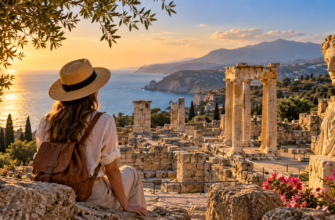
- For the History Buff: Paphos Archaeological Park & Tombs of the Kings
- For the Nature Lover: Hiking and Wine Tasting in the Troodos Mountains
- For the Urban Explorer: A Day in Divided Nicosia (Old Town)
- For the Beachcomber: Exploring the Sea Caves and Blue Lagoon
- For the Foodie: A Halloumi-Making Workshop in a Mountain Village
- A Foodie’s Guide to Cyprus: What to Eat & Drink
- Beyond Halloumi: Must-Try Meze Dishes
- The Holy Trinity of Cypriot Spirits: Zivania, Commandaria, and Ouzo
- The Art of Coffee: Cyprus Coffee vs. Frappé
- Essential Cyprus Travel Advice: A 2026 Practical Checklist
- Arrival & Departure: Airport and Packing Logistics
- Choosing Your Airport: Larnaca (LCA) vs. Paphos (PFO)
- Getting from the Airport: Pre-booked Taxis, Shuttles, and Rentals
- What to Pack: The Smart List
- Clothing: For Sun, Mountains, and Monasteries
- Tech: Power Adapters (Type G), Power Banks, and eSIMs
- Documents: Passport, Driving License, Booking Confirmations
- Frequently Asked Questions by First-Time Visitors
- Looking for More In-Depth Cyprus Travel Guides?
Information verified and updated for 2026 season on 15 January 2026
I am Oliver Bennett. After relocating to Cyprus in 2010 and spending over 16 years building a life here, I launched the Cyprus Sunset blog. My goal is simple: to share exactly how the island works for newcomers, cutting through the tourist brochure fluff. My focus is practical, drawn from personal experience—what actually happens when you land, drive, eat, and explore for the first time. You’ll find more of my insights on navigating local life in our Cyprus expat blog.
Expert First Look: My Top 3 “Don’t-Miss” Tips for Your 2026 Trip
“Forget the generic travel advice. For a truly unforgettable first trip to Cyprus in 2026, you must understand three things: the art of ‘siga-siga’, where to find the best untouristed meze, and why renting a 4×4 for a day is a game-changer. I’ll explain why.”
— Oliver Bennett, Cyprus Resident & Founder of Cyprus Sunset
What is Cyprus Truly Like? Setting Expectations for Your 2026 Trip
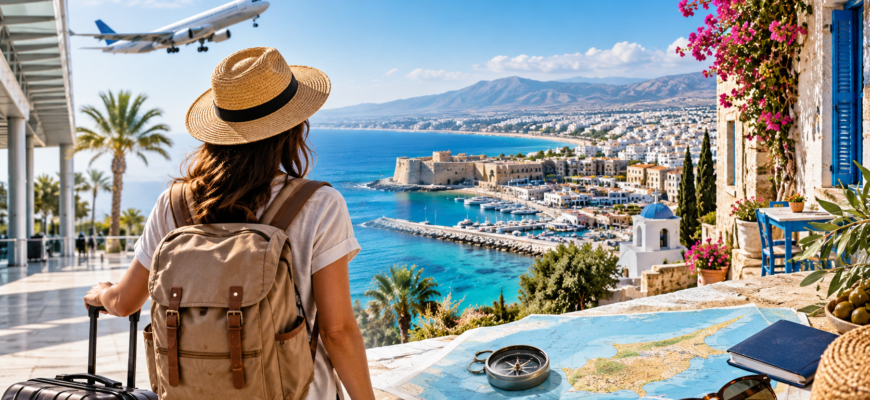
So, what is Cyprus truly like? In short, Cyprus is an island of compelling contrasts. Here, ancient UNESCO World Heritage ruins sit just minutes away from sleek, modern marinas buzzing with life. The landscape itself is a study in diversity; you can be sunbathing on a clear-water beach and, within an hour’s drive, be breathing in the cool, pine-scented air of the Troodos mountains. There is also a tangible cultural and administrative split. The south, part of the EU, operates on the euro and has a distinctly cosmopolitan, Hellenic feel. Cross the Green Line into the north, and you’ll find the Turkish lira is the currency and the atmosphere shifts. Prepare for this wonderful duality.
Common Mistakes to Avoid on Your First Trip to Cyprus
This isn’t a list of things that absolutely can’t be done, but rather friendly advice to help you sidestep common hurdles on your first time in Cyprus. A little local knowledge goes a long way. Do not underestimate these small details; they can make the difference between a good trip and a great one.
- Only sticking to the coast means you miss the authentic heart of the island in the Troodos villages and their cooler, refreshing climate.
- Forgetting to validate your bus ticket is an easy mistake that can result in fines on the otherwise efficient intercity routes.
- Assuming everywhere takes a credit card can create awkward situations, especially in family-run mountain tavernas and small village shops.
- Disrespecting or being unaware of the North/South divide’s practicalities can lead to easily avoidable confusion at checkpoints.
- Not packing for both mountains and monasteries might leave you feeling underdressed for a respectful church visit or shivering after a sudden temperature drop inland.
Only Sticking to the Coast
The coastline is stunning, but the real soul of Cyprus is often found inland. Plan at least one of your day trips to explore the timeless villages, local wineries, and medieval churches nestled in the hills.
Forgetting to Validate Your Bus Ticket
On intercity buses, you must validate your paper ticket in the small machines at the bus stop before boarding. From my experience, drivers are busy and will rarely remind you.
Assuming Everywhere Takes Credit Card (Especially in Villages)
While cities and tourist hubs are card-friendly, make sure you carry a decent amount of cash for smaller tavernas, market stalls, and shops outside the main towns. It’s not just practical; it’s appreciated.
Disrespecting the North/South Divide
Before planning a crossing, check the latest official rules for checkpoints. The requirements can differ for pedestrians and rental cars, and being prepared saves a lot of time and hassle.
Not Packing for Both Mountains and Monasteries
A light jacket or pashmina is essential. It’s perfect for cooler mountain evenings and for covering your shoulders to respectfully enter the island’s beautiful, historic monasteries.
The North-South Divide: A Practical Guide for First-Time Visitors
The “Green Line” is a critical piece of local context for any visitor. It divides the island into the Republic of Cyprus in the south and the Turkish Republic of Northern Cyprus. For tourists, crossing between them is generally straightforward at designated points, provided you have your passport.
Understanding the “Green Line”: What It Is and Isn’t
It functions as a demilitarized buffer zone patrolled by United Nations peacekeepers. It is not an impassable, hard international border but a line of control. For visitors, it’s a fascinating and peaceful transition.
Crossing the Border: Checkpoints, Documents & Car Insurance Rules
The process is simple: you show your passport to officials on both sides. If driving, you must purchase separate, third-party car insurance for the north at the border; your southern rental policy will not cover you there.
Key Differences You’ll Notice: Currency, Language, and Vibe
The south uses euros, and Greek is the official language, though English is ubiquitous. The north uses the Turkish lira, and Turkish is more prevalent on signage. The overall vibe in the north is often perceived as slower and less developed, offering a different kind of charm.
Planning Your Trip: The 3 Big Decisions
When planning your travel to Cyprus, three key decisions will shape your entire experience: when you come, where you stay, and for how long. Getting these right is the foundation of a perfect trip.
When Is the Best Time to Visit? A 2026 Seasonal Guide
The best time to visit depends entirely on what you want from your holiday. While Cyprus tourism peaks in the sweltering summer months, the shoulder seasons offer their own unique magic.
| Season | Avg. Temp (°C) | Sea Temp (°C) | Key Events/Activities | Best For |
| Spring (Mar-May) | 18–24 | 18–21 | Wildflower walks, Easter festivals | Hikers & nature lovers |
| Summer (Jun-Aug) | 30–35 | 25–28 | Beach time, water sports, music festivals | Sun and sea seekers |
| Autumn (Sep-Nov) | 22–28 | 24–26 | Wine harvest, swimming in warm seas | Foodies & relaxed travellers |
| Winter (Dec-Feb) | 12–17 | 17–19 | City exploration, mountain snow | Culture vultures & quiet escapes |
Spring (March-May): Wildflowers & Hiking
In my opinion, this is the most beautiful season. The island is lush and green, the hiking trails in Troodos are spectacular, and temperatures are perfect for exploring.
Summer (June-August): Peak Sun & Sea
This is peak season for a reason: glorious sun and bath-warm seas. Be sure to book accommodation and popular activities well in advance, as prices are at their highest.
Autumn (September-November): Warm Seas & Wine Harvests
The sea remains wonderfully warm, the summer crowds have thinned, and the grape-picking festivals begin in the wine villages (Krasochoria) near Limassol. It’s a fantastic time for a balanced trip.
Winter (December-February): City Breaks & Mountain Snow
The coast remains pleasantly mild for city sightseeing, while the Troodos mountains often get a dusting of snow, creating a magical, almost alpine, atmosphere.
Where Should You Stay? Choosing Your Perfect Home Base
Your choice of base dictates the character of your trip. Each region offers a different experience, so picking the right one is key to a successful Cyprus travel itinerary.
- Paphos: Best for history lovers and those seeking romantic sunsets and a relaxed harbour vibe.
- Ayia Napa/Protaras: The top choice for the island’s best white-sand beaches and vibrant nightlife.
- Limassol: For a cosmopolitan, energetic city feel with great dining, shopping, and a long seaside promenade.
- Larnaca: Offers a more relaxed, authentic, and budget-friendly base with a charming town center.
- Troodos Mountains: Ideal for escaping the heat, enjoying nature, hiking, and experiencing traditional village life.
How Many Days Are Enough for a First Trip?
- 3–4 Days: A whirlwind city or beach break. You’ll need to focus on one area, like Paphos and its surroundings.
- 7 Days: The classic one-week holiday. This allows you to thoroughly explore one half of the island (e.g., the west or the east) without feeling rushed.
- 10–14 Days: The ideal duration. This gives you enough time to see both the coast and the mountains, enjoy relaxing days, and even cross the Green Line to explore Nicosia or Kyrenia.
Getting Around Cyprus: A 2026 Transport Guide
To Rent a Car or Not? The Definitive Pros & Cons
The freedom to discover remote beaches, hidden monasteries, and mountain villages is the primary advantage of renting a car. The main drawbacks are driving on the left (which can be daunting for some), navigating narrow village roads, and finding parking in the historic centers of old towns. In 2026, expect weekly rental rates for a compact car to start around €250, including basic insurance. For anyone planning to invest in Cyprus real estate, having a car is essential for exploring potential neighborhoods and properties across the island.
The Golden Rule: Drive on the LEFT
This is the most crucial rule. It means you enter roundabouts clockwise, with traffic coming from your right. According to the official guidance from the Cyprus Police, visitors must be attentive, especially when pulling out of junctions.
Car Insurance Essentials (Especially for Green Line Crossing)
Your standard rental car insurance from the south almost never covers you in the north. You must purchase a separate insurance slip at the checkpoint. Ask your rental company for clarification when you pick up the car.
Public Transport: Intercity Buses & Local Routes
A network of modern, air-conditioned Intercity buses connects the major towns reliably and affordably. However, local routes to smaller villages can be infrequent, so always check the timetable.
Taxis and Ride-Sharing Apps (Bolt, CABCY)
Ride-sharing apps like Bolt are well-established and reliable in Limassol, Larnaca, and Paphos. CABCY is another popular local app. In my experience, these are great for city trips, but pre-booking a transfer is often better for airport runs.
Top Experiences & Day Trips for First-Time Explorers
Beyond the sunbed, the island’s incredible diversity is best discovered through a few well-chosen excursions. I always recommend visitors mix their beach days with these day trips to build a perfect itinerary that reveals the real Cyprus.
For the History Buff: Paphos Archaeological Park & Tombs of the Kings
An absolute must-see. The sprawling park, a UNESCO site, features stunning Roman mosaics, and the nearby Tombs of the Kings are a fascinating necropolis carved from solid rock.
For the Nature Lover: Hiking and Wine Tasting in the Troodos Mountains
Escape the coastal heat by heading for the hills. Well-marked trails start from villages like Platres, leading you through pine forests, past waterfalls, and often conveniently ending near a small, family-run winery.
For the Urban Explorer: A Day in Divided Nicosia (Old Town)
Walk down the bustling Ledra Street in the southern old town, pass through the simple pedestrian checkpoint, and emerge into the completely different atmosphere of the northern part of the walled city.
For the Beachcomber: Exploring the Sea Caves and Blue Lagoon
Take a boat tour from Latchi (near Paphos) or Ayia Napa to explore the dramatic sea caves and swim in the impossibly turquoise waters of the Blue Lagoon. The beauty of this coastline can’t be overstated.
For the Foodie: A Halloumi-Making Workshop in a Mountain Village
For a truly hands-on experience, join a workshop in a village like Letymbou. Several local families offer short morning sessions where you learn to make fresh halloumi and anari cheese.
A Foodie’s Guide to Cyprus: What to Eat & Drink
Beyond Halloumi: Must-Try Meze Dishes
A proper village meze is an event, not just a meal. Look for dishes like sheftalia (herbed sausage), kleftiko (slow-cooked lamb), fresh village salad with crumbly feta, and loukaniko (pork sausage cured in red wine).
The Holy Trinity of Cypriot Spirits: Zivania, Commandaria, and Ouzo
Zivania is a potent, clear pomace brandy—drink it ice-cold. Commandaria is an ancient, sweet amber-colored dessert wine, perfect after dinner. Ouzo, an anise-flavored spirit, is the classic accompaniment to a seafood meze.
The Art of Coffee: Cyprus Coffee vs. Frappé
Ordering a “coffee” will get you traditional Cyprus coffee—strong, brewed in a briki, and served in a small cup. For a refreshing cold drink, ask for a frappé, the iconic iced instant coffee that is a staple of island life.
Essential Cyprus Travel Advice: A 2026 Practical Checklist
Here is my quick, scannable checklist with essential travel advice for your trip. Make sure you’ve reviewed these practical points before and during your stay.
- Currency: Euro (EUR) in the South. Turkish Lira (TRY) in the North. Always carry some cash for small purchases, even in the south.
- Power Sockets: Type G (the three-pin UK plug). Voltage is 230V.
- Emergency Number: 112 is the universal number for police, ambulance, and fire services.
- Sun Safety: This is non-negotiable. High-factor sunscreen, a wide-brimmed hat, and drinking plenty of water are essential, even outside of summer.
- Dress Code: When visiting monasteries and churches, cover your shoulders and knees. Most sites offer wraps if you forget.
- Tap Water: The water is generally safe to drink in the south, but most locals and visitors prefer bottled water due to the taste from mineral content.
- Pace of Life: Embrace “siga, siga” (slowly, slowly). Don’t be surprised if shops close for a few hours in the middle of the day. It’s all part of the charm.
Arrival & Departure: Airport and Packing Logistics
Choosing Your Airport: Larnaca (LCA) vs. Paphos (PFO)
Larnaca (LCA) is the larger of the two, serving more international routes and better positioned for trips to Limassol, Nicosia, and Ayia Napa. Paphos (PFO) is more convenient for stays in Paphos itself and the western part of the island.
Getting from the Airport: Pre-booked Taxis, Shuttles, and Rentals
From my experience, pre-booking an airport transfer online costs roughly the same as hailing a taxi on arrival but completely removes any stress or negotiation. All major car rental firms have desks at both airports.
What to Pack: The Smart List
Clothing: For Sun, Mountains, and Monasteries
Focus on lightweight, breathable fabrics. Pack at least one light jacket or cardigan for cooler evenings or mountain air, and one modest outfit (long trousers/skirt and a top that covers shoulders) for religious sites.
Tech: Power Adapters (Type G), Power Banks, and eSIMs
You will need a UK-style Type G power adapter. A portable power bank is a lifesaver for long days out exploring. Tourist eSIMs with generous data packages are easily available for purchase at both airports upon arrival.
Documents: Passport, Driving License, Booking Confirmations
An International Driving Permit is officially recommended for non-EU license holders, though in practice, your national license is often accepted by rental agencies. It’s better to have it and not need it.
Frequently Asked Questions by First-Time Visitors
Is Paphos or Ayia Napa better for a first visit?
It depends on your priorities. Choose Paphos if you’re interested in history, archaeology, romantic scenery, and a more relaxed harbour atmosphere. Choose Ayia Napa if your main goals are world-class sandy beaches, water sports, and energetic nightlife.
Is Cyprus expensive for tourists in 2026?
Cyprus offers a range of options, but it’s moderately priced compared to other Western European destinations. A reasonable daily budget for a mid-range couple is around €150–€200, covering accommodation, meals, and some activities. A meal at a local taverna might cost €20-25 per person, while a beer is about €3-4.
Which part of Cyprus is best for families with children?
The areas around Protaras (near Ayia Napa) and the tourist zone of Larnaca are excellent for families. They offer calm, shallow waters, family-friendly restaurants, and plenty of activities. Many families also enjoy the resort hotels west of Paphos. If you are considering a more permanent move, our partner DOM real estate has extensive experience helping families find homes near top-rated schools.
Can I use my credit card everywhere, or do I need cash?
Credit and debit cards are widely accepted in cities, hotels, larger restaurants, and supermarkets. However, you absolutely need cash. Do not assume smaller businesses, family-run tavernas in villages, market stalls, or taxi drivers will accept cards.
Looking for More In-Depth Cyprus Travel Guides?
This guide covers your first time in Cyprus, but our expert travel guides and insights don’t stop there. Many visitors fall in love with the island and consider making it a more permanent part of their lives. If you’re exploring what it takes to buy property in Cyprus, my trusted partners offer a comprehensive look at available Cyprus real estate for sale. For those looking further ahead, their portfolio of long term rentals in Cyprus provides a great way to experience the island like a local before committing.