- The “New Limassol”? The Ambition vs. The Reality
- The Pros and Cons of Living in Larnaca: An Honest 2026 Look
- The Pros: Larnaca’s Key Advantages for Expats
- Unbeatable Affordability: The Financial Edge Over Other Cities
- Strategic Centrality: The Airport and Highway Access Advantage
- Authentic Coastal Lifestyle: A City for Residents, Not Just Tourists
- A Safe, Family-Friendly, and Welcoming Community
- The Cons: The Reality of Larnaca’s Rapid Growth
- Career Limitations: The Job Market for Professionals vs. Digital Nomads
- Infrastructure Under Pressure: Construction, Traffic, and a Car-Dependent Culture
- Lifestyle Realities: Summer Heat and a Quieter Entertainment Scene
- Cost of Living in Larnaca: A Detailed 2026 Budget Breakdown
- Larnaca vs. Limassol vs. Paphos: A 2026 Price Comparison
- Daily Expenses: Groceries, Dining Out, and Transportation Costs
- Healthcare & Education: Budgeting for Public (GeSY) vs. Private Options
- Larnaca Real Estate Market: Your 2026 Investment & Buying Guide
- Larnaca Real Estate Prices in 2026: A Snapshot for Buyers & Renters
- Investment Potential: The Larnaca Marina and Future Urban Development
- The Buying Process Explained: Title Deeds, VAT, and Legal Steps for Foreigners
- The Larnaca Lifestyle: Quiet City Charm and Coastal Living
- The “Siga-Siga” Culture: A Genuinely Relaxed Pace of Life
- Real Coastal Living: Finikoudes Promenade, Mackenzie Beach, and Daily Life by the Sea
- What is Expat Life in Larnaca Really Like?
- The Growing International Community and Social Scene
- Language: Is English Enough for a Comfortable Life?
- Oliver Bennett’s Insider View (16-Year Resident’s Perspective)
- The Single Biggest Myth About Moving to Larnaca
- My 2026 Verdict: Who is LarnacaReallyFor? (And Who Should Avoid It)
- The Hidden Gem Newcomers Miss (And The Pitfall They Don’t See Coming)
- Best Neighborhoods in Larnaca: Where to Live Based on Your Lifestyle
- For Families & Quiet Living: Kamares, Vergina, Drosia
- For Beach Lovers & Social Life: Mackenzie, Finikoudes, Skala
- For a Traditional Feel & City Access: Chrysopolitissa & Sotiros
- For Investment & Future Growth: The New Marina Area
- The Logistics: Visas, Healthcare, & Schools for Your Move
- The Legal Side: Cyprus Visas and Permanent Residency by Investment in 2026
- Healthcare in Larnaca: Navigating the GeSY Public System vs. Private Clinics
- Education for Expat Children: A Guide to International and Local Schools
- Final Verdict: Is Moving to Larnaca Worth It in 2026?
- Larnaca is PERFECT For…
- Larnaca May NOT Be For…
- Ready to Move to Larnaca? Let’s Find Your Perfect Property
- Frequently Asked Questions (FAQ)
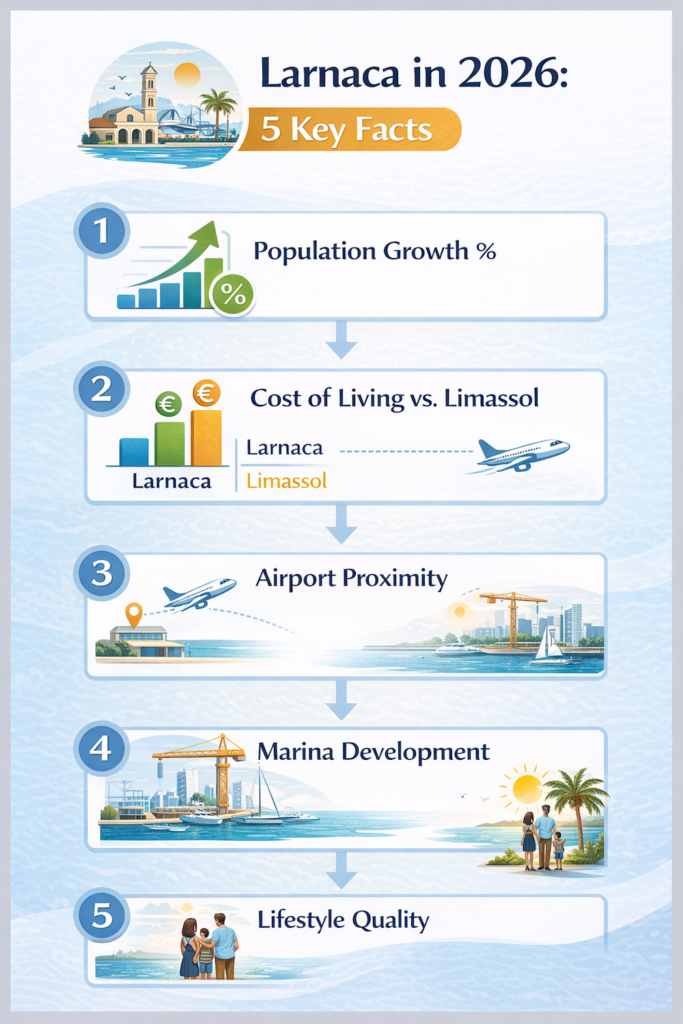
Larnaca has shed its old skin, evolving from a sleepy coastal spot into a dynamic city with momentum. The population has seen significant growth since 2020, fueled by ambitious urban development like the landmark Larnaca Marina expansion. When I first moved to Cyprus in 2010, I initially viewed Larnaca as a temporary base, but its unique blend of ancient history and forward-looking growth captured my interest permanently. For those considering the expat life, this evolution means a welcome increase in modern local amenities without sacrificing the city’s authentic, laid-back charm.
The “New Limassol”? The Ambition vs. The Reality
Larnaca certainly has high ambitions, with large-scale developments that echo Limassol’s high-rise glamour, but it remains a far more grounded city. While real estate prices in Limassol’s prime areas can soar past €4,500 per square meter, Larnaca’s average remains closer to €2,800. Let’s be honest: it isn’t as flashy or cosmopolitan. But for many people I work with, that’s precisely the appeal. They are seeking an authentic experience of living in Larnaca, not just investing in the hype.
The Pros and Cons of Living in Larnaca: An Honest 2026 Look
The Pros: Larnaca’s Key Advantages for Expats
Unbeatable Affordability: The Financial Edge Over Other Cities
Larnaca offers substantial and tangible savings compared to other Cypriot cities. A family of four can live a comfortable life here on a budget of around €2,500 per month, which is often 30% less than the equivalent lifestyle in Limassol. I advised a client just last year who was set on Cyprus but daunted by Limassol prices; they successfully purchased a modern three-bedroom apartment in Larnaca for €250,000, roughly half of what a similar property would have cost them elsewhere. This financial breathing room is key to enjoying a relaxed coastal lifestyle without constant financial pressure.
Strategic Centrality: The Airport and Highway Access Advantage
The exceptional airport proximity is one of Larnaca’s defining features. Larnaca International Airport (LCA), which handles nearly 10 million passengers annually, is a mere five-minute drive from the city center. Major highways connect you directly to Nicosia in 30-40 minutes and Limassol in under an hour. For frequent business travelers or anyone who loves spontaneous European getaways, this convenience is a game-changer. In my experience, clients who choose to move to Larnaca consistently rate this practical advantage as a major factor in their high quality of life.
Authentic Coastal Lifestyle: A City for Residents, Not Just Tourists
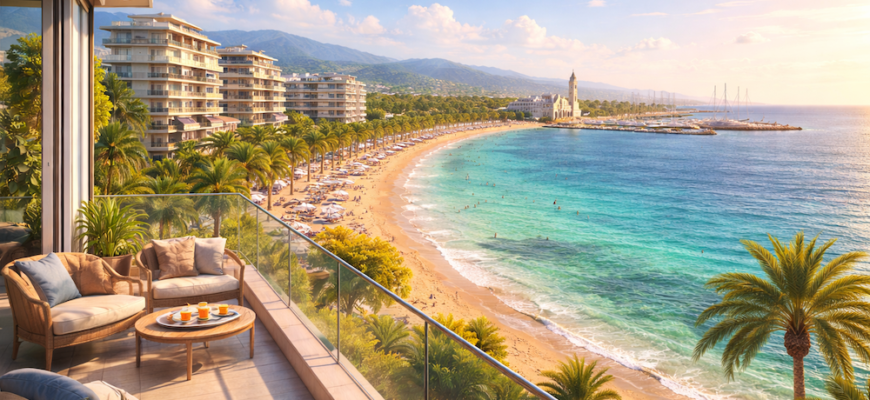
Here, the coastal lifestyle is woven into the fabric of daily life, not just reserved for tourists. Beaches like Finikoudes and Mackenzie are year-round hubs for locals. The famous palm-tree-lined promenade buzzes with residents enjoying coffees, not just seasonal crowds. I walk along the Foinikoudes promenade almost daily—it’s a genuinely relaxing environment with fresh seafood markets and uninterrupted sea views. This authenticity is what sets Larnaca apart, making it a true quiet city escape for those wanting to genuinely live by the sea.
A Safe, Family-Friendly, and Welcoming Community
Larnaca is an exceptionally safe place to live. According to official Cyprus Police data, serious crime rates are remarkably low, at under 2 incidents per 1,000 residents, making it one of the safest cities in the EU. Families thrive in quiet, residential neighborhoods with abundant parks, playgrounds, and excellent schools. My experience is that the expat life here is welcoming; I have seen newcomers connect with the local and international communities at organized events within weeks of arriving. It is a genuinely supportive environment, especially for those raising children.
The Cons: The Reality of Larnaca’s Rapid Growth
Career Limitations: The Job Market for Professionals vs. Digital Nomads
While the job market is growing, opportunities for corporate professionals are still concentrated in the tourism, logistics, and real estate sectors. Digital nomads, however, flourish here, thanks to a growing number of co-working spaces and a favorable visa program. I’m always direct with my clients: if your career depends on climbing the corporate ladder at a large firm’s headquarters, you may find Nicosia or Limassol a better fit. Eurostat data shows unemployment hovering around 5%, but the market heavily favors remote workers and entrepreneurs.
Infrastructure Under Pressure: Construction, Traffic, and a Car-Dependent Culture
Rapid urban development comes with growing pains. The ongoing construction, particularly around the new marina, means navigating dust, noise, and traffic congestion is a daily reality. The public transport system is still developing, with most bus routes running infrequently. Consequently, most residents rely on cars for daily life. I’ve certainly had to adjust my own travel times around the city. It’s a crucial factor to plan for if you prefer walking or cycling as your primary modes of transport.
Lifestyle Realities: Summer Heat and a Quieter Entertainment Scene
You must be prepared for the Mediterranean summer. Temperatures regularly hit 35°C (95°F) in July and August, making high-quality air conditioning a non-negotiable expense. Additionally, Larnaca’s nightlife and entertainment scene is far more subdued compared to the 24/7 buzz of Limassol or Ayia Napa. There are wonderful tavernas and cozy bars, but no mega-clubs. For some, this relaxed pace is perfect; for those seeking a vibrant, high-energy social scene, it could feel limiting. I always caution clients: if you don’t embrace the slower, more relaxed pace, you might struggle.
Cost of Living in Larnaca: A Detailed 2026 Budget Breakdown
Larnaca vs. Limassol vs. Paphos: A 2026 Price Comparison
| Expense Category | Larnaca Avg. Cost | Limassol Avg. Cost | Paphos Avg. Cost |
| 3-Bed Apartment Rent (City Center) | €1,200 | €2,000 | €1,000 |
| Monthly Utilities (Family of 4) | €150 | €200 | €140 |
| Dinner for Two (Mid-range) | €50 | €70 | €45 |
| Monthly Groceries | €400 | €500 | €350 |
| International School (Per Term) | €3,000 | €4,500 | €2,800 |
Daily Expenses: Groceries, Dining Out, and Transportation Costs
Daily life in Larnaca is refreshingly affordable. A family’s monthly grocery bill typically runs around €400, and you can save even more by shopping for fresh produce at the popular weekend farmers’ markets instead of relying solely on supermarkets. A wonderful dinner for two at a traditional local taverna will cost about €50. For transportation, a monthly budget of around €50 for petrol is realistic for a small car, while a monthly bus pass is approximately €30. My personal budget aligns closely with these figures; it’s a key reason why the quality of life here is so high without being financially draining.
Healthcare & Education: Budgeting for Public (GeSY) vs. Private Options
Cyprus’s public healthcare system, GeSY, offers comprehensive coverage to all residents for free or with very small co-payments, once you’re registered. For those preferring private care, supplementary insurance plans typically cost between €100-200 per month for an individual. In education, public schools are free for all residents, while prestigious international schools like the American Academy charge approximately €3,000 per term. Many expat families I have helped over the years find a successful balance, using the excellent GeSY system for healthcare while investing in private education for their children.
Larnaca Real Estate Market: Your 2026 Investment & Buying Guide
Larnaca Real Estate Prices in 2026: A Snapshot for Buyers & Renters
| Neighborhood Type | Avg. Price Per m² (Buy) | Avg. 2-Bed Rent (Month) | Projected 2026 ROI |
| City Center/Finikoudes | €3,000 | €900 | 6% |
| Mackenzie/Beachfront | €3,500 | €1,100 | 7% |
| Vergina/Kamares (Suburbs) | €2,200 | €700 | 5% |
| New Marina Area | €4,000 | €1,200 | 8% |
Investment Potential: The Larnaca Marina and Future Urban Development
“The Larnaca Marina project is not just a cosmetic upgrade; it’s a fundamental economic shift for the city. We project a 15-20% rise in property values in adjacent zones by 2028, making pre-2026 investments particularly strategic.” – Oliver Bennett, Founder, Cyprus Sunset.
This huge urban development project is set to transform the city’s coastline, adding 1,000 new berths, luxury residences, and premium commercial and retail spaces that will significantly boost tourism and property demand. I have seen similar large-scale projects in Paphos lead to a sustained 7% ROI for early investors. The investment potential here is undeniable, and my analysis indicates that rental yields for prime properties in the new marina district could climb by over 10% annually post-completion.
The Buying Process Explained: Title Deeds, VAT, and Legal Steps for Foreigners
For non-EU citizens, the buying process involves obtaining a purchase permit from the Council of Ministers, a standard step my legal partners handle smoothly. A significant benefit is the reduced VAT of 5% for your first primary residence under 200 m². In my experience, the most critical step is securing the title deeds promptly to avoid future complications; I’ve personally guided many clients through this to prevent costly delays. Always hire an independent lawyer. The entire process typically takes 3 to 6 months. For a step-by-step breakdown, you can review this comprehensive guide on how to buy property in Cyprus.
The Larnaca Lifestyle: Quiet City Charm and Coastal Living
The “Siga-Siga” Culture: A Genuinely Relaxed Pace of Life
The local motto is “siga-siga,” which translates to “slowly, slowly.” This philosophy permeates daily life. Shops often close for a few hours in the afternoon, and the rhythm of the day revolves around coffee with friends and unhurried family meals. When I first relocated, adopting this mindset was a conscious effort, but soon enough, my stress levels dropped dramatically. It’s an ideal culture for anyone looking to escape the relentless hustle of a major metropolis.
Real Coastal Living: Finikoudes Promenade, Mackenzie Beach, and Daily Life by the Sea
The Finikoudes promenade, a stunning 600-meter stretch lined with mature palm trees and bustling cafes, is the heart of the city. To the east, Mackenzie Beach offers calm, shallow waters perfect for swimming and family outings. What I love is that this isn’t just a seasonal spectacle; daily, you’ll see locals jogging, fishing from the pier, or simply enjoying the sea air. The coastal lifestyle is completely integrated into the city’s identity, making every day feel a bit like a holiday.
What is Expat Life in Larnaca Really Like?
The Growing International Community and Social Scene
The expat life here is vibrant and growing. The international community now numbers over 15,000 residents according to local statistics, with dozens of active Facebook and community groups for every hobby imaginable, from hiking to book clubs. The social scene is more about intimate wine tastings, beach barbecues, and cultural events than all-night parties. I’ve joined many of these groups myself over the years and can attest that they are fantastic for building quick, meaningful connections.
Language: Is English Enough for a Comfortable Life?
Yes, for daily life, English is more than sufficient. An estimated 80% of the population, especially in service industries, speaks English fluently. You can easily handle shopping, dining, and most everyday errands. For official administrative matters, like immigration or property paperwork, knowing some basic Greek phrases is helpful and always appreciated, though most expats I know thrive without achieving full fluency.
Oliver Bennett’s Insider View (16-Year Resident’s Perspective)
The Single Biggest Myth About Moving to Larnaca
The most common myth I hear is that Larnaca is “just an airport town”—a convenient but uninspiring entry point to the rest of Cyprus. Let me be clear: that couldn’t be further from the truth. While the airport proximity is a huge plus, I stayed because of the vibrant community, beautiful beaches, and authentic culture. I recently had a client who almost dismissed the city for this very reason. After one day exploring the historic Skala district and seeing the vision for the new marina, they bought a home here and now call it the best decision they ever made.
My 2026 Verdict: Who is Larnaca Really For? (And Who Should Avoid It)
Based on my 16 years of living and working here, Larnaca is a perfect fit for families seeking safety and community, retirees wanting a relaxed and affordable lifestyle, and digital nomads who value convenience. However, if your happiness depends on a relentless nightlife schedule or climbing a corporate ladder in a major international headquarters, you should probably look elsewhere. My honest assessment is that the Larnaca lifestyle is a perfect match for about 70% of the clients I work with.
The Hidden Gem Newcomers Miss (And The Pitfall They Don’t See Coming)
The hidden gem is hands-down the Saturday morning market near the old stadium—an incredible source for hyper-local, inexpensive fresh produce that beats any supermarket. The biggest pitfall newcomers face is underestimating the summer heat and the electricity bill that comes with it. My advice: invest in a home with modern, energy-efficient air conditioning from day one. It will pay for itself.
Best Neighborhoods in Larnaca: Where to Live Based on Your Lifestyle
For Families & Quiet Living: Kamares, Vergina, Drosia
These popular suburbs are known for their quiet residential streets, excellent local schools, and abundance of parks. A family home in Vergina can be found starting from €200,000, offering fantastic value with plenty of green spaces nearby.
For Beach Lovers & Social Life: Mackenzie, Finikoudes, Skala
These neighborhoods offer the quintessential beachfront vibe with a buzzing strip of cafes, bars, and restaurants. Mackenzie rentals, often starting around €800 for a one-bedroom apartment, are just steps from the sand. You can browse current apartments for rent in Cyprus to get a live sense of the market.
For a Traditional Feel & City Access: Chrysopolitissa & Sotiros
Nestled just behind the main center, these historic areas offer a more traditional Cypriot atmosphere with local markets and artisan shops. They provide easy walking access to the city center, with property prices averaging around €2,500 per square meter.
For Investment & Future Growth: The New Marina Area
This is where the most significant investment potential lies, driven by massive urban development projects. We project ROI here could reach 8% or more as the area transforms. To explore opportunities, you can see examples of real estate investment in Cyprus in this portfolio.
The Logistics: Visas, Healthcare, & Schools for Your Move
The Legal Side: Cyprus Visas and Permanent Residency by Investment in 2026
For non-EU nationals, a Temporary Residence Permit (often called a “Pink Slip”) allows for long-term stays. For those looking to invest, the Permanent Residency program can be obtained through a real estate purchase of €300,000 or more.
Healthcare in Larnaca: Navigating the GeSY Public System vs. Private Clinics
Once you are a resident, you can register for the GeSY public healthcare system online, which provides excellent and comprehensive coverage. For those who prefer immediate access to specialists or specific facilities, Larnaca has top-tier private options like the American Heart Institute, where a specialist visit typically costs around €50.
Education for Expat Children: A Guide to International and Local Schools
Larnaca offers a strong selection of schools. The renowned American Academy Larnaca has tuition fees of about €3,000 per term. Alternatively, local public schools are free, and many are now offering dedicated programs to help foreign children integrate and learn Greek while continuing core subjects in English.
Final Verdict: Is Moving to Larnaca Worth It in 2026?
Larnaca is PERFECT For…
- ✅ Retirees seeking affordability and a relaxed pace.
- ✅ Digital Nomads and Remote Workers leveraging locational convenience.
- ✅ Young Families prioritizing safety and a community feel.
- ✅ Frequent Travelers who value proximity to an international airport.
- ✅ Property Investors looking for pre-boom growth potential.
Larnaca May NOT Be For…
- ❌ Ambitious corporate professionals seeking headquarters of large firms.
- ❌ Big-city dwellers who need a vast, 24/7 entertainment scene.
- ❌ Those who are unwilling to drive, as public transport is limited.
Ready to Move to Larnaca? Let’s Find Your Perfect Property
If you feel a move to Larnaca is the right next step for you, the journey doesn’t have to be overwhelming. Based on my 16 years of experience, I can offer genuine, practical advice to help you find the perfect property that matches your lifestyle. Whether you’re considering buying, looking for a long-term rental, or exploring investment opportunities, let’s talk. My team and I work closely with trusted partners like DOM, one of the leading real estate agencies in Cyprus, to ensure you see the best on- and off-market options.
Frequently Asked Questions (FAQ)
What is a realistic monthly budget for a family of four in Larnaca in 2026?
A realistic budget for a family of four would be between €2,500 and €3,000 per month. This comfortably covers rent for a three-bedroom apartment, utilities (around €150), groceries (around €400), and other daily expenses without needing to be excessively frugal.
How safe is Larnaca compared to other European cities?
Larnaca is significantly safer than most comparably sized European cities. Eurostat data consistently shows Cyprus with one of the lowest crime rates in the EU, and Larnaca’s local rate of approximately 2 serious crimes per 1,000 people underscores its reputation as a safe, family-friendly city.
What are the main challenges for expats in their first year?
The two main challenges are adapting to the summer heat and navigating the local bureaucracy for the first time. The heat can be intense, so good AC is essential. My practical advice is to join expat community groups online before you even arrive; they are an invaluable resource for tips on everything from getting your residency permit to finding the best local tradespeople.
What is the future of property investment in Larnaca beyond 2026?
The future looks very strong, primarily driven by the Larnaca Marina and port development. Based on my forecasts and market analysis, I expect this project to catalyze a 15-20% increase in property values in the surrounding areas by 2028, with rental demand and yields growing steadily as the city’s international profile rises.